
June is Graduation Season, and odds are good that you’ve spent some time seated on a cheap folding chair or arena bleacher watching someone proceed down an aisle in an expensive cap and gown. Commencement speakers will thank the faculty, staff, and parents who made it all possible. But how many of them thank the folks in Washington who drafted Internal Revenue Code Section 170(c) back in 1917?
John Paulson is a hedge fund manager who owns a 28,500 square foot Manhattan townhouse, a $41.3 million Southampton estate with two pools and two guest houses (because one of each wouldn’t be enough), and a $49 million Aspen ranch. Back in 2007, he bet against the housing bubble and made close to $4 billion when everyone else was losing their shirt. Forbes magazine ranks him #113th-richest billionaire in the world, with a net worth of $11.2 billion.
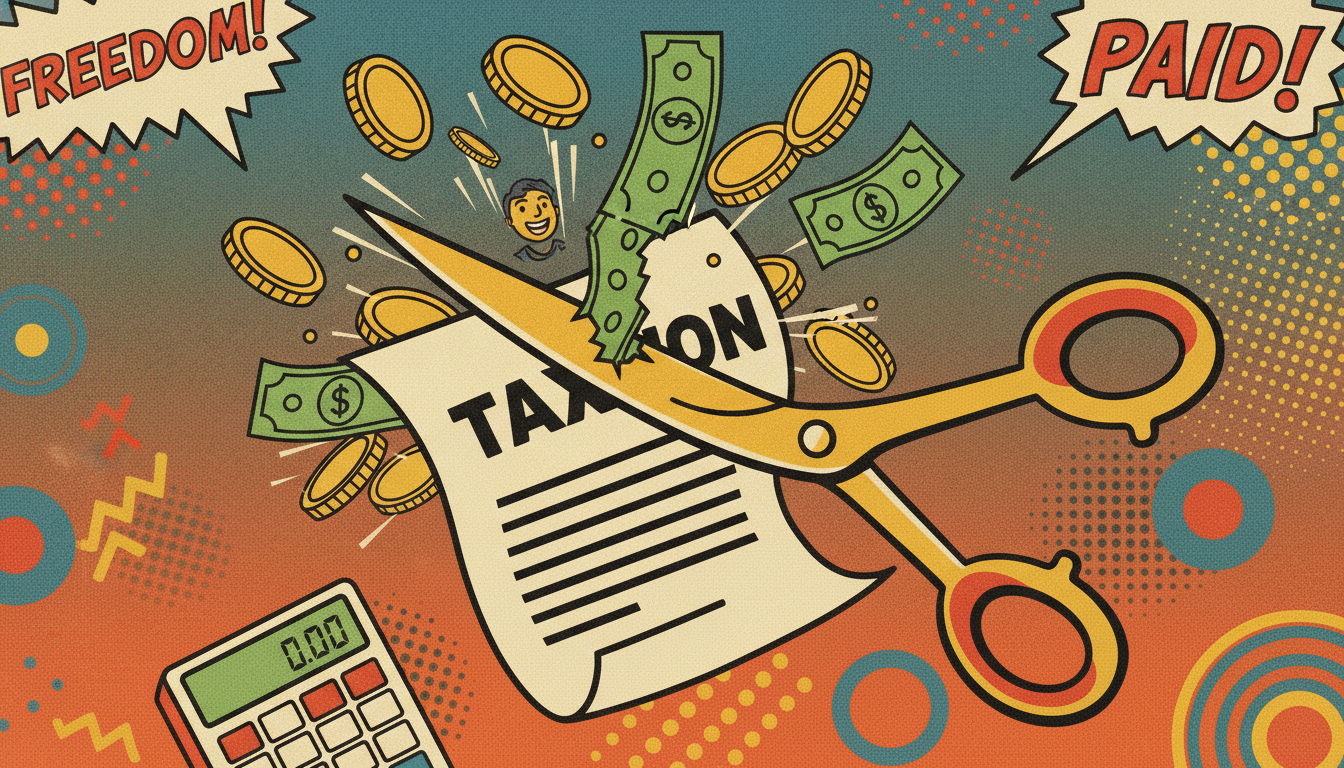
So, a couple of weeks ago, John Paulson reached into his couch cushions and found $400 million he didn’t need. He gave that money to his alma mater, Harvard University. (Harvard has a $32.7 billion endowment, which means they don’t need it either, but that’s a different story.) Harvard will use the money to expand their engineering school and rename it in Paulson’s honor. And here’s where that tax code section 170(c) comes in. It lets Paulson deduct the gift from his 2015 tax return and save $100 million or so.
Paulson isn’t the only rich guy to donate millions to see his name on the wall of a building. Last month, another Wall Streeter named Steven Schwartzman ($12 billion net worth), found $150 million in the spare change jar on his bedroom dresser that he wasn’t using. He gave it to his alma mater, Yale University ($23.9 billion endowment), which will use the money to transform the Commons building into a performing arts center. If you guessed that Yale is renaming it “the Schwartzman Center,” give yourself 10 points. And if you said “Wow, Schwartzman’s gift will save him $40 million or so in taxes,” give yourself another 10.
Wall Streeters aren’t the only guys getting in on the action. Back in March, a California venture capitalist named Mark Stevens ($1.6 billion net worth), found $50 million in the console between the front seats of his car. He gave it to his alma mater, the University of Southern California ($4.6 billion endowment), to build a biology lab. If you guessed it’ll be called the “Mark and Mary Steven Neuroimaging and Informatics Institute,” you know a lot more about biology than we do. And while we can’t know exactly how much the gift will amputate from the Stevens’s taxes, we can be sure it’s a lot.
We’re having fun here with the amounts these guys can give. But we’re not making fun of their tax breaks. That’s what lets a John Paulson say to himself, “Hmmmm, I’ve got $400 million I’m willing to part with,” and give it all to the school of his choice, rather than a smaller after-tax amount. It’s what lets your neighbor say “I’ve got 500 bucks I’m willing to part with,” and give it all to his alma mater. Americans as a group give nearly $40 billion per year to educational causes. And the tax breaks that encourage that generosity really do help make it possible for you to enjoy those graduation speeches you sat through earlier this month.
You know what else guys like John Paulson, Steven Schwartman, and Mark Stevens all have? Tax plans. They know they can’t just wait until April 15 to figure out how much they owe, not if they want to give buildings to universities. Shouldn’t you take a page from their success and get a tax plan of your own? Email us and see how much more you might be able to give!
Donna Bordeaux, CPA with Calculated Moves
Creativity and CPAs don’t generally go together. Most people think of CPAs as nerdy accountants who can’t talk with people. Well, it’s time to break that stereotype. Lively, friendly, and knowledgeable can be a part of your relationship with your CPA as demonstrated by Donna and Chad Bordeaux. They have over 50 years of combined experience as entrepreneurial CPAs. They’ve owned businesses and helped business owners exceed their wildest dreams. They have been able to help businesses earn many times more profit than the average business in the same industry and are passionate about helping industries that help families build great memories.