
The Infinite Monkey Theorem holds that if you sit an infinite number of monkeys down at an infinite number of typewriters, eventually one of them will bang out the complete works of William Shakespeare or, at the very least, Hamlet. But do you know what those monkeys are banging out when they’re not banging out Shakespeare? The Internal Revenue Code, of course! (Sadly, the Infinite Monkey Theorem will probably never be more than just a theorem. For starters, can you imagine the smell in that room?)
The tax code may look like 70,000-odd pages of monkey-banging gibberish. But there really is a twisted logic to it. Think of it as a series of red lights and green lights. Red lights, like Section 1 (setting out rates), Section 1401 (imposing the net investment income tax), and Section 1432 (imposing employment taxes) make you stop and pay tax. Green lights, like Section 105 (making employer health benefits tax-free), Section 162 (making “ordinary and necessary” business expenses deductible), and Section 170 (making charitable gifts deductible) let you go without paying tax.
Last year’s Tax Cuts and Jobs Act added a new red light. Specifically, it capped deductions for state and local tax deductions at $10,000 per year. That’s an obvious blow to the states that reach the deepest into their residents’ pockets. In New York, for example, one-third of taxpayers claimed the deduction, averaging more than $20,000. In Alabama, just one-fourth claimed it, averaging just $6,000.
But the new limit hits taxpayers all over the country. Microsoft founder Bill Gates lives in Seattle, where there’s no state income tax. (Washington has one of the highest sales taxes in the country.) But last year, he paid $1,024,292.55 in property tax on his 66,000-square-foot mansion, “Xanadu 2.0.” It used to be that Uncle Sam picked up 39.6% of that bill. Now Gates has to cover it all himself.
Of course, human nature being what it is, we don’t always want to stop at those red lights. So society has developed an entire profession, called “the law,” dedicated to finding ways around them. (Even Pope Francis, when he announced the church’s opposition to capital punishment, left exceptions for people who drive the speed limit in the left-hand lane or bring Popeye’s fried chicken on an airplane.)
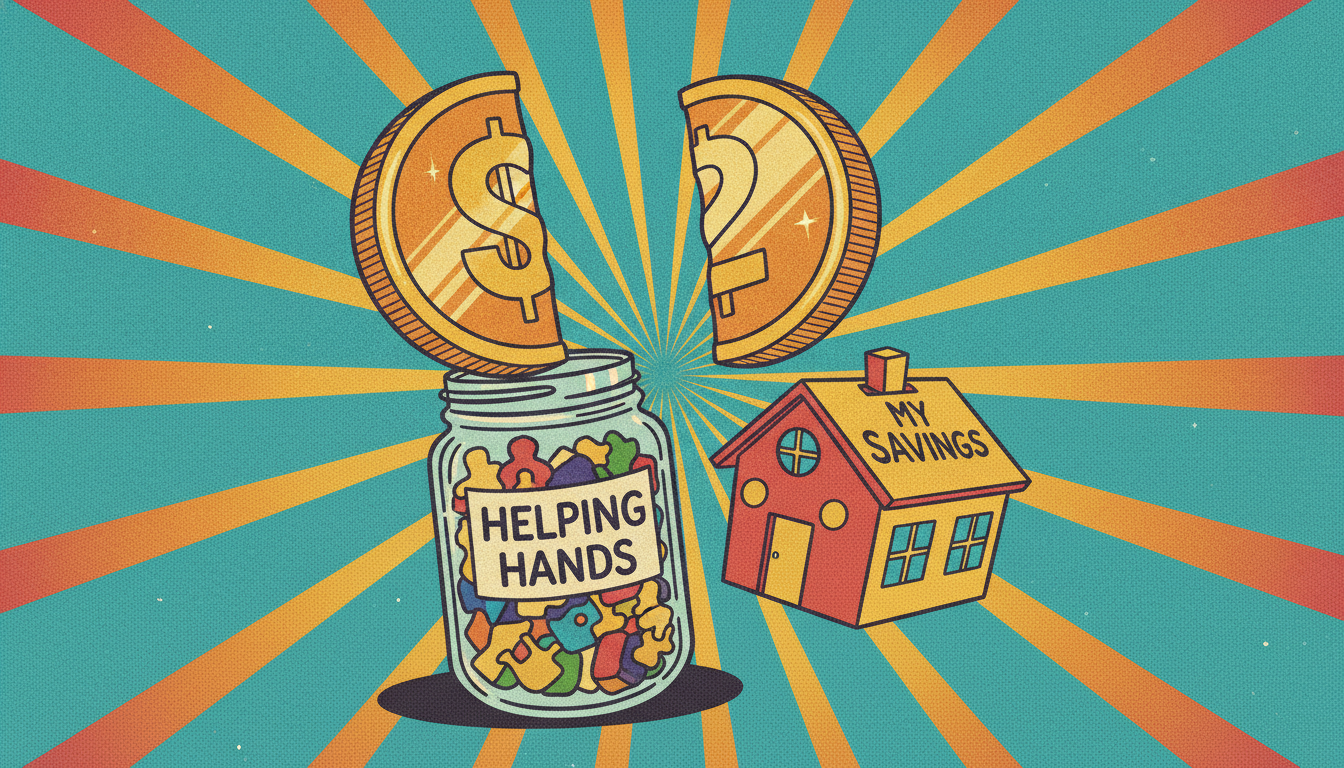
So it shouldn’t surprise you to learn that officials in some states are working to let residents turn right on that red light. New York and New Jersey have set up so-called “charitable” funds to pay for essential services like schools, then authorized dollar-for-dollar credits against their own taxes for contributions to those funds. Just like magic, your state tax bill transforms into a charitable contribution, not subject to the new limit. (We think Harry Potter would call this spell a “sketchius loopholius.”)
Of course, our friends back in the Home Office in Washington aren’t stupid. Last week, the Treasury Department issued proposed regulations effectively eliminating charitable deductions for gifts tied to state tax credits. But will that be the end of the story? Not if the states have their way, and they’re sure to take the Treasury to court. Round and round it goes . . . and now you know why tax lawyers drive Jaguars!
Bottom line? Most tax professionals focus on the red lights. That’s important, because blowing through them gets you in trouble. But that’s also where most tax pros stop. We’re different. We focus on finding the green lights that can save you thousands. So email us when you’re ready to go, and we’ll help take your foot off the brake!
Photo Credit By New York Zoological Society (Picture on Early Office Museum) [Public domain], via Wikimedia Commons
Donna Bordeaux, CPA with Calculated Moves
Creativity and CPAs don’t generally go together. Most people think of CPAs as nerdy accountants who can’t talk with people. Well, it’s time to break that stereotype. Lively, friendly, and knowledgeable can be a part of your relationship with your CPA as demonstrated by Donna and Chad Bordeaux. They have over 50 years of combined experience as entrepreneurial CPAs. They’ve owned businesses and helped business owners exceed their wildest dreams. They have been able to help businesses earn many times more profit than the average business in the same industry and are passionate about helping industries that help families build great memories.