Government Grants, Tax Credits & SBA Loans for Business Owners in 2026: Your Complete Guide
July 31, 2026 · 7 min read
The Government Wants You to Start (or Grow) a Business — Here's How to Cash In
Here's something most aspiring entrepreneurs and real estate investors don't realize: the U.S. government is actively incentivizing people to launch and grow businesses right now. We're talking about grants you don't have to pay back, tax credits that directly reduce what you owe, SBA loans with favorable terms, and a web of federal, state, and local programs designed to put money in your pocket — if you know where to look.
The problem? Most people have no idea these programs exist. And the ones who do often miss critical application windows or fail to meet qualification requirements because they didn't plan ahead. That's not a calculated move — that's leaving money on the table.
Whether you're launching your first investment LLC, scaling a property management company, or buying equipment for a contracting business, 2026 is shaping up to be one of the most opportunity-rich years for government-backed business funding. Let's break down exactly what's available, how to qualify, and why your timing needs to be strategic.
Government Grants: Free Money That Actually Exists
Let's start with the one everyone wants to hear about — grants. Unlike loans, grants are funds you receive that you do not have to pay back. They're essentially free capital, and yes, they're real.
The federal government, along with state and local agencies, offers grants through various programs aimed at stimulating economic growth, supporting underserved communities, and encouraging innovation. Here's where to start looking:
- Grants.gov — The central hub for all federal grant opportunities. You can search by category, agency, or eligibility.
- Small Business Innovation Research (SBIR) and Small Business Technology Transfer (STTR) programs — Ideal if your business involves technology, research, or innovative solutions.
- State-specific programs — Many states offer their own grant programs for small businesses, minority-owned businesses, women-owned businesses, and veteran-owned businesses. Check your state's economic development agency website.
- Community Development Financial Institutions (CDFIs) — These organizations often administer grant funds at the local level, particularly in underserved areas.
The key with grants is that they're competitive and time-sensitive. Application windows open and close, and if you're not prepared with proper documentation — business plans, financial statements, entity formation documents — you'll miss your shot. Start getting organized now, not when the deadline is next week.
Tax Credits: Reduce What You Owe Dollar for Dollar
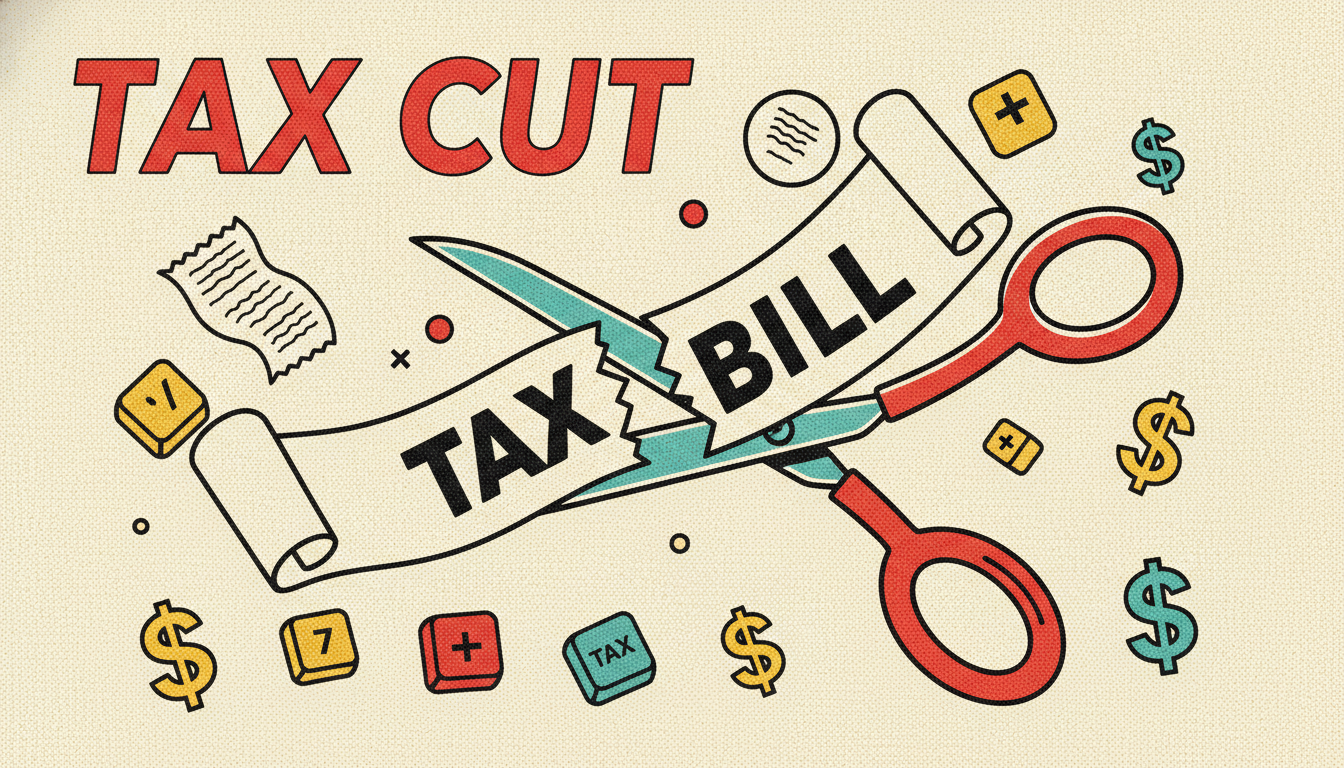
If grants are free money up front, tax credits are free money on the back end. And for real estate investors and business owners, credits can be significantly more powerful than deductions because they reduce your tax liability dollar for dollar.
Here are some of the most impactful tax credits available heading into 2026:
- Work Opportunity Tax Credit (WOTC) — Hire employees from targeted groups (veterans, ex-felons, long-term unemployed individuals) and receive a credit of up to $9,600 per qualifying employee. If you're building a team for your property management company or contracting business, this is huge.
- Research and Development (R&D) Tax Credit — This isn't just for tech companies. If you're developing new processes, software, or systems for your business, you may qualify.
- Energy-efficient building credits — Real estate investors, pay attention. Credits tied to energy-efficient improvements on commercial properties can save you thousands. Programs like the Section 179D deduction and 45L credits reward property owners who invest in energy efficiency.
- State-level credits — Many states offer additional credits for job creation, capital investment in certain zones, and industry-specific activities.
The critical takeaway here is that timing matters. Many of these credits require you to certify eligibility before you hire, before you make a purchase, or before you begin construction. If you do things out of order, you lose the credit. This is exactly why having a tax strategy in place before you take action is a non-negotiable calculated move.
SBA Loans: Government-Backed Financing With Better Terms
The Small Business Administration (SBA) doesn't lend money directly — instead, it guarantees a portion of loans made by approved lenders, which reduces risk for the bank and unlocks better terms for you. The result? Lower interest rates, longer repayment periods, and smaller down payment requirements than conventional business loans.
The most popular SBA loan programs include:
- SBA 7(a) Loan — The most versatile option. Use it for working capital, equipment, real estate purchases, or business acquisitions. Loan amounts up to $5 million.
- SBA 504 Loan — Specifically designed for major fixed assets like commercial real estate and heavy equipment. Down payments can be as low as 10%.
- SBA Microloan Program — Loans up to $50,000 for startups and small businesses that need smaller amounts of capital to get going.
For real estate investors looking to acquire commercial properties or mixed-use buildings, the SBA 504 loan is particularly attractive. The combination of low down payments and long terms (up to 25 years) can dramatically improve your cash-on-cash returns compared to conventional financing.
To qualify, you'll need a solid business plan, acceptable credit, and the ability to demonstrate that your business can service the debt. The application process can be lengthy, so start early and work with a lender experienced in SBA loans.
Other Incentives You Shouldn't Overlook
Beyond grants, tax credits, and SBA loans, there's an entire ecosystem of government incentives designed to support business growth:
- Opportunity Zones — Invest capital gains into designated Opportunity Zone properties and defer (or potentially reduce) your tax on those gains. This is a massive play for real estate investors targeting emerging markets.
- HUBZone Certification — If your business operates in a Historically Underutilized Business Zone, you can gain preferential access to government contracts.
- SCORE and SBA Resource Partners — Free mentoring, business planning assistance, and workshops through organizations like SCORE, Small Business Development Centers (SBDCs), and Women's Business Centers.
- Local economic development incentives — Many cities and counties offer property tax abatements, infrastructure grants, and fee waivers to attract businesses to specific areas.
The common thread across all of these programs is that they reward action takers who plan ahead. The government isn't going to chase you down and hand you a check. You have to know what's available, understand the requirements, and position yourself to qualify.
Why Timing Is Everything in 2026
Government programs shift with political priorities, budget cycles, and economic conditions. What's available today may not be available next year. Funding pools get exhausted. Tax credit provisions expire or get modified. SBA lending standards tighten or loosen depending on the economic environment.
This is why 2026 demands urgency. Several of the programs and credits currently in play have sunset provisions or are subject to legislative renewal. If you've been sitting on the sideline waiting for the "right time" to start your business, form your LLC, or make that next investment — the right time is now, while these incentives are still on the table.
Here's your action plan:
- Get your business entity in order. Many programs require an active, registered business with proper documentation.
- Build your financial records. Clean books, tax returns, and financial statements are prerequisites for nearly every program.
- Research programs specific to your state and industry. Federal programs are just the starting point — state and local incentives can be equally or more valuable.
- Consult with a professional before you act. The sequence of your decisions — when you hire, when you buy, when you file — can make or break your eligibility for thousands of dollars in credits and funding.
Make Your Next Move a Calculated One
The opportunities are real, but they don't last forever. Whether you're a first-time entrepreneur or a seasoned real estate investor looking to scale, tapping into government grants, tax credits, and SBA loans can accelerate your growth in ways that pure bootstrapping simply can't.
At Calculated Moves, we help investors and business owners navigate exactly these kinds of strategic decisions — from entity structuring and tax planning to identifying the funding programs that fit your specific situation. If you're ready to stop guessing and start building wealth with a plan, book a discovery call with our team today. Let's make sure you're capturing every dollar the government is making available — before the window closes.